
Brick walls are more than just beautiful architectural elements—they’re also incredibly durable and timeless. Whether it’s a classic Chicago two-flat, a historic commercial building, or a newly built home, brick walls can last for over a century if properly cared for. But like any structure, they need ongoing attention and the right maintenance to withstand weather, moisture, and wear over time.
At Bart Tuckpointing, we’ve spent years restoring, repairing, and maintaining brick walls throughout Chicago and surrounding areas. In this article, we’ll walk you through everything you need to know about brick wall maintenance—from cleaning and sealing to recognizing early signs of damage and knowing when to call in the pros.
Why Brick Wall Maintenance Matters
Brick is known for its strength and longevity, but it isn’t entirely maintenance-free. Over time, moisture, freezing temperatures, vegetation, and structural settling can all take their toll. Neglecting your brick exterior can lead to:
- Cracking or spalling bricks
- Deteriorated mortar joints
- Water infiltration
- Reduced energy efficiency
- Decreased curb appeal and property value
Routine maintenance helps preserve both the beauty and the integrity of your building, while also preventing expensive repairs down the road.

Step-by-Step Guide to Brick Wall Maintenance
1. Routine Visual Inspections
Start with a basic habit: walk around your home or building at least twice a year to inspect your brickwork.
What to look for:
- Cracked or chipped bricks
- Gaps or crumbling in mortar joints
- Discoloration or white chalky residue (efflorescence)
- Signs of water damage or mold
- Vegetation growing from the wall
Catching these issues early is key to preventing major structural problems later.
2. Cleaning Brick Walls Safely
Regular cleaning helps remove dirt, mold, and pollutants, especially in urban areas like Chicago where grime builds up quickly.
Best Practices for Brick Wall Cleaning:
- Use a soft brush and mild detergent: Avoid harsh chemicals or wire brushes, which can damage the brick surface.
- Avoid pressure washing at high PSI: High-pressure water can erode the mortar and cause moisture infiltration. If you must pressure wash, use low pressure and test a small area first.
- Tackle efflorescence with care: That white powdery substance is salt left behind from moisture evaporation. Clean with a 1:1 mixture of vinegar and water or use a commercial efflorescence remover.
- Don’t forget the gutters: Overflowing gutters and downspouts often cause staining and water damage on brick walls.
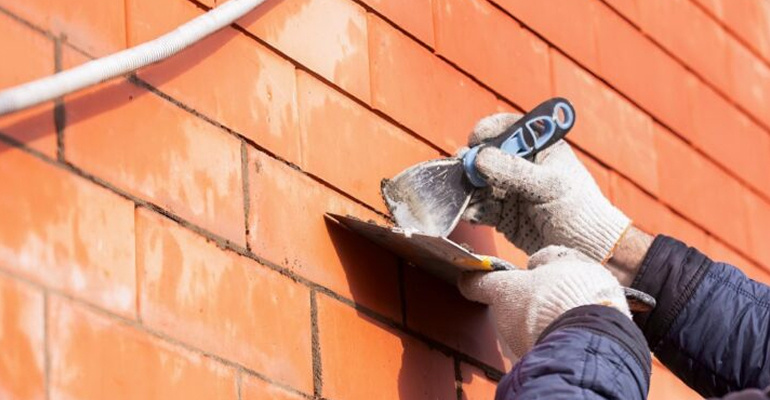
3. Repointing (Tuckpointing) Damaged Mortar Joints
Mortar is the “glue” holding your bricks together, and it deteriorates much faster than the brick itself. Once the mortar starts to crumble or crack, it’s time for tuckpointing.
What is Tuckpointing?
Tuckpointing is the process of removing old, failing mortar and replacing it with fresh mortar to reinforce the wall’s structural integrity.
Bart Tuckpointing specializes in historic and contemporary tuckpointing for both residential and commercial properties. Our team ensures that repairs match the original mortar in texture and color—preserving both function and aesthetics.
Signs You Need Tuckpointing:
- Mortar is crumbling or falling out
- Visible gaps between bricks
- Water leaks or signs of interior dampness
- Spalling bricks (surface flaking)
Ignoring deteriorated mortar can result in major water damage and costly brick wall restoration later.
4. Sealing for Protection
While bricks are naturally breathable, sealing can help protect them from moisture absorption, especially in exposed areas like chimneys or retaining walls.
When Should You Seal a Brick Wall?
- After tuckpointing or brick repairs
- On newly constructed brickwork
- On walls facing heavy rainfall or wind
- If your wall is prone to water absorption
Use a breathable masonry sealant that allows moisture to escape while still protecting the surface. Never use a non-breathable sealant, as it can trap moisture inside the wall and lead to damage.
5. Preventing Water Damage
Water is one of the biggest enemies of brick walls. Freeze-thaw cycles in cities like Chicago cause trapped moisture to expand, leading to cracked or broken bricks.
Tips to Prevent Water Damage:
- Ensure gutters and downspouts direct water away from walls
- Repair leaking roofs, window flashing, or cracked caulking
- Slope the ground away from your foundation
- Seal basement walls if needed
Moisture that seeps into your walls can damage not just the bricks but also interior insulation, drywall, and framing.
6. Dealing with Vegetation
Plants, vines, and moss may look charming climbing a brick wall, but they can wreak havoc over time.
Roots and tendrils can penetrate cracks, widen joints, and trap moisture—leading to accelerated deterioration. Always remove climbing plants, and trim bushes and trees that grow too close to your walls.
7. Winter Brick Maintenance Tips (Especially in Chicago)
Brick and mortar are especially vulnerable during winter months. The freeze-thaw cycle can cause rapid deterioration if walls aren’t maintained.
Cold Weather Maintenance Checklist:
- Inspect and repair mortar joints before the first freeze
- Clear leaves and debris from weep holes and vents
- Remove snow from brick patios or retaining walls
- Use non-corrosive de-icing salts on adjacent walkways
Proper winter prep helps protect your brick walls in Chicago’s harsh winters and reduces long-term damage.
Common Brick Wall Problems and How to Fix Them
Here’s a quick guide to the most common brick wall issues and their solutions:
| Problem | Cause | Solution |
|---|---|---|
| Cracked Bricks | Settling, impact, freeze-thaw | Replace individual bricks; inspect foundation |
| Efflorescence | Water-soluble salts rising to the surface | Clean with vinegar solution or efflorescence remover |
| Spalling Bricks | Water damage, freeze-thaw cycles | Replace damaged bricks; improve drainage |
| Deteriorated Mortar | Age, weathering | Tuckpointing needed |
| Mold or Mildew | Excess moisture, poor ventilation | Clean affected area; address drainage issues |
| Loose Bricks | Failing mortar or structural movement | Re-set and re-mortar bricks |
When to Call the Pros
While routine inspections and light cleaning can be DIY, brick wall repair and tuckpointing are best left to professionals. Poor repairs can compromise structural integrity and cost more to fix later.
At Bart Tuckpointing, we offer:
- Professional brick wall inspections
- Tuckpointing and mortar matching
- Historic restoration services
- Chimney repairs and sealing
- Comprehensive masonry services in Chicago and nearby suburbs
FAQ: Brick Wall Maintenance
Q: How often should I inspect my brick walls?
A: At least twice a year, ideally in spring and fall. You should also inspect after major storms or freezing winters.
Q: How long does tuckpointing last?
A: Quality tuckpointing typically lasts 20–30 years, depending on exposure to weather and moisture.
Q: Should I seal my brick wall every year?
A: No. Most quality sealants last 5–10 years. Over-sealing can trap moisture. Ask a masonry professional if resealing is necessary.
Q: Can I paint my brick wall?
A: It’s possible, but we generally advise against painting exterior brick. Paint traps moisture and can accelerate damage unless properly applied and maintained.
Q: Is efflorescence harmful?
A: While not structurally dangerous, it signals moisture problems that could worsen over time. It should be cleaned and the source of moisture identified.
Final Thoughts: Protect Your Brick Investment with Bart Tuckpointing
Your brick wall is more than a design element—it’s a structural asset. Taking care of it ensures your property stays safe, valuable, and attractive for years to come.
Whether you need brick wall restoration, tuckpointing in Chicago, or professional advice on maintenance, Bart Tuckpointing is here to help. Our experienced team provides honest assessments, detailed craftsmanship, and dependable results on every project.
🔨 Need Brick Wall Maintenance or Repair in Chicago? Contact Bart Tuckpointing Today!
Don’t wait for small cracks to turn into big problems. Trust Chicago’s brick experts to keep your masonry strong and beautiful.
📞 Call us now or 📩 fill out our contact form to schedule a free estimate.
Would you like me to create a meta title and meta description or help you break this post into sections for your website or blog format?